Labels and Filling Guide
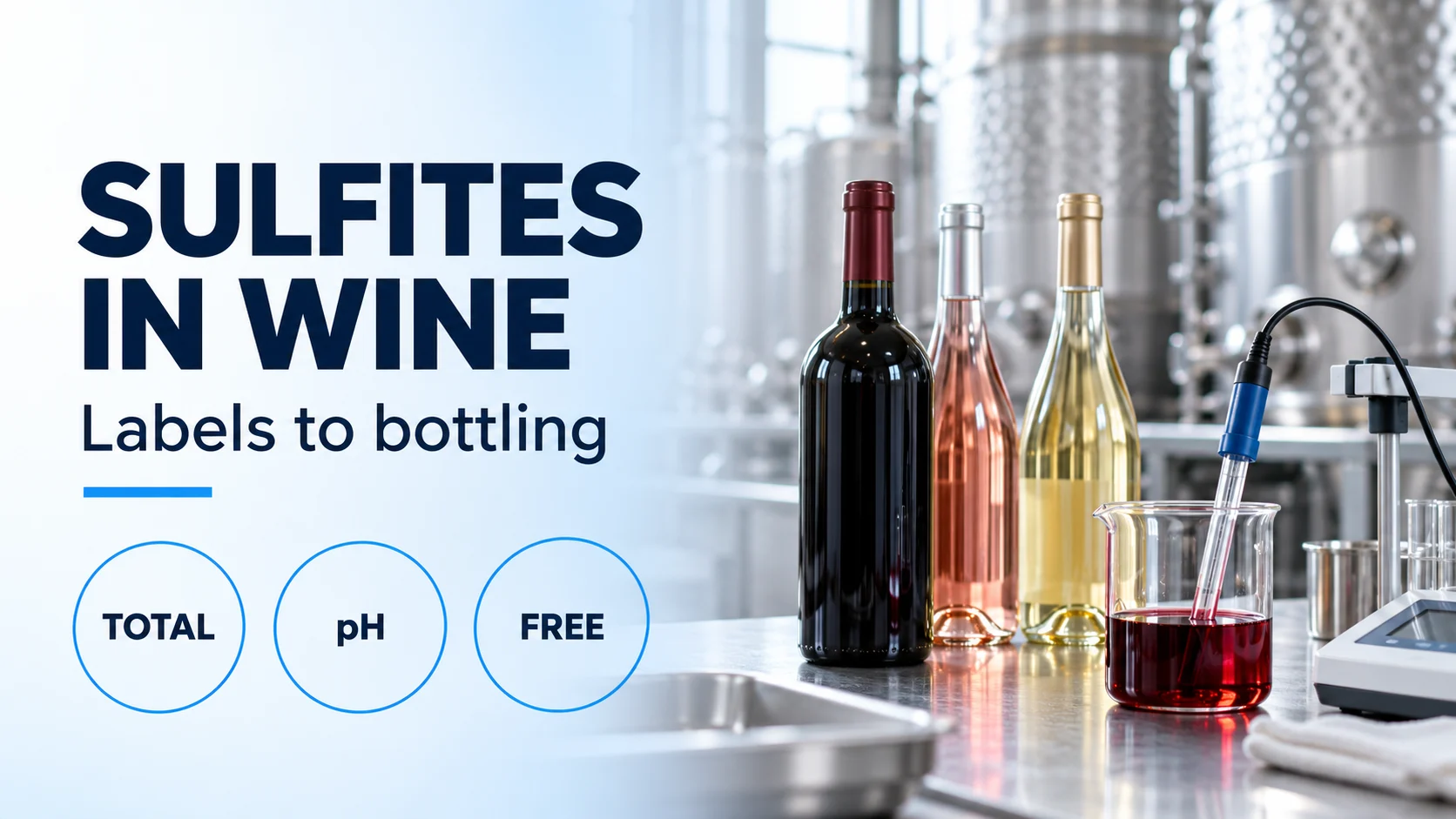
Sulfites in Wine: TTB Labels, pH and Bottling SO₂ Limits
Understand the U.S. sulfite label threshold, organic wine claims, pH-dependent molecular SO₂ and the measurements that matter at bottling.
Wine explained from vine to bottle: varieties, aging, closures, labels and what happens on the bottling line.
Grape varieties, styles, tannins, acidity, and aging, explained clearly without tasting-note jargon.
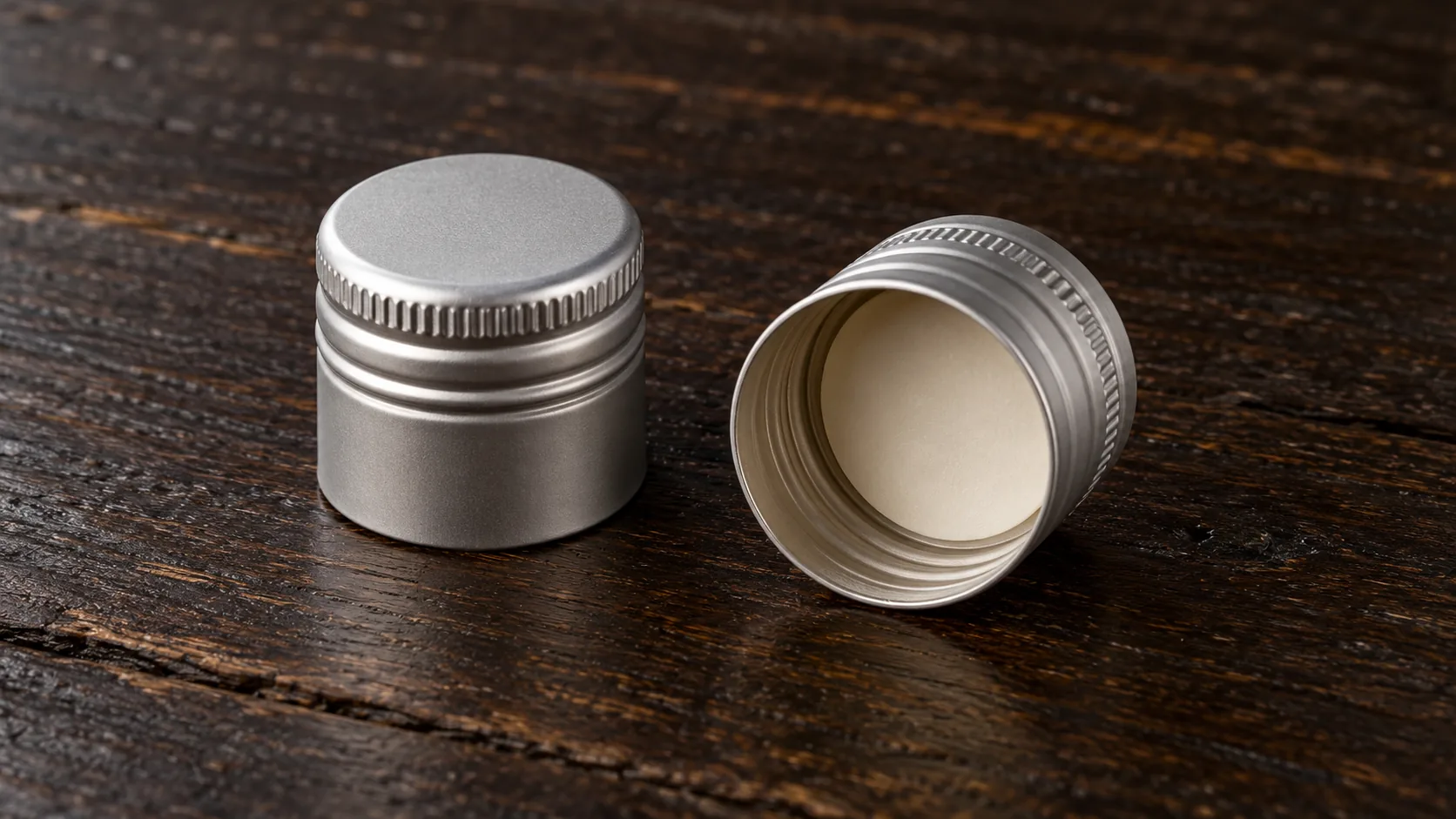
Explore Guides →SEALING SCIENCECorks, synthetic stoppers, screw caps, oxygen management, and sealing mechanics on the line.
Explore Guides →WINERY OPERATIONSWine label rules, mandatory statements, and the filling and labelling steps at a winery.
Explore Guides →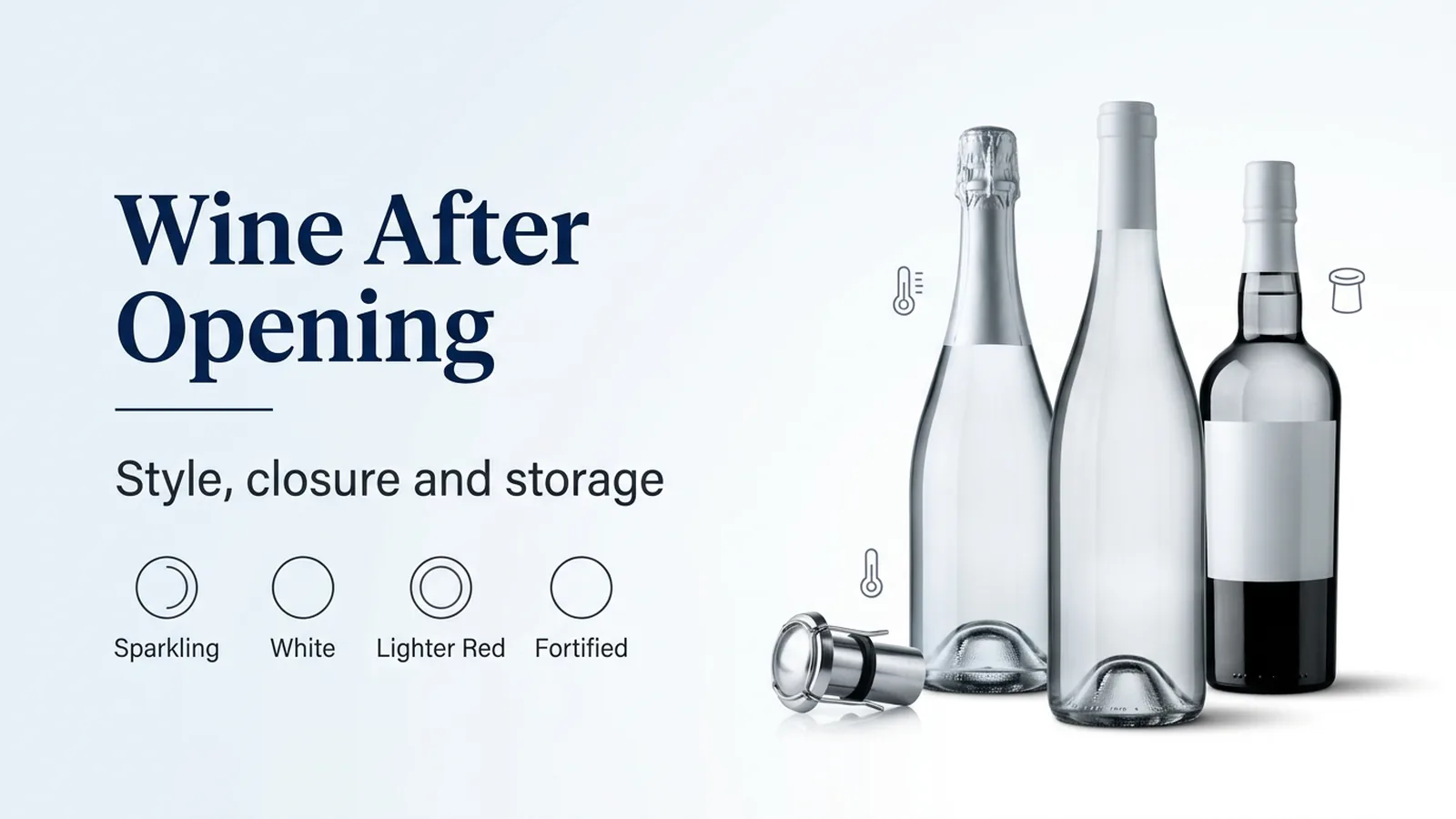
Opened wine has no single countdown: compare source-backed storage windows for sparkling, white, lighter red and fortified wines, with the conditions each requires.
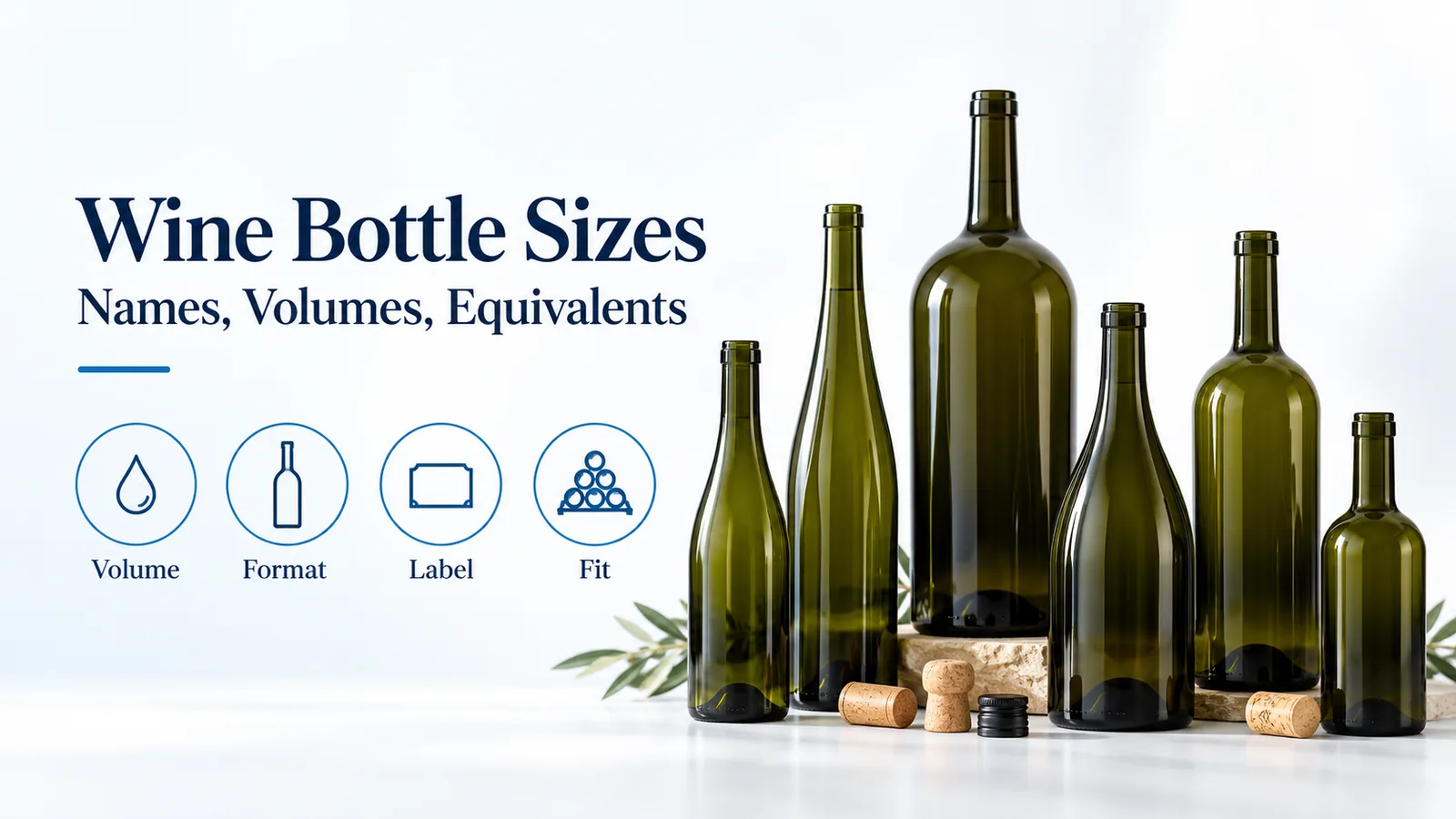
Compare wine bottle sizes by volume and standard-bottle equivalents, with Champagne names, US fill standards and checks for confusing formats.
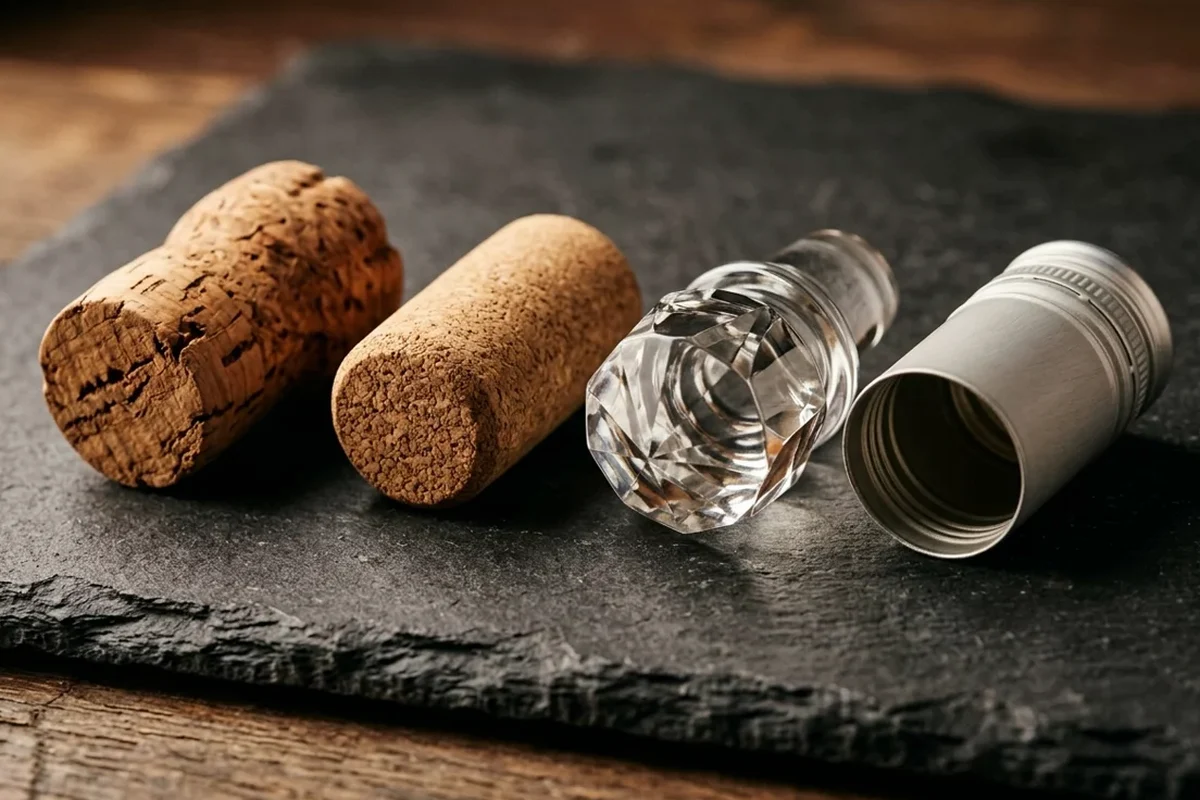
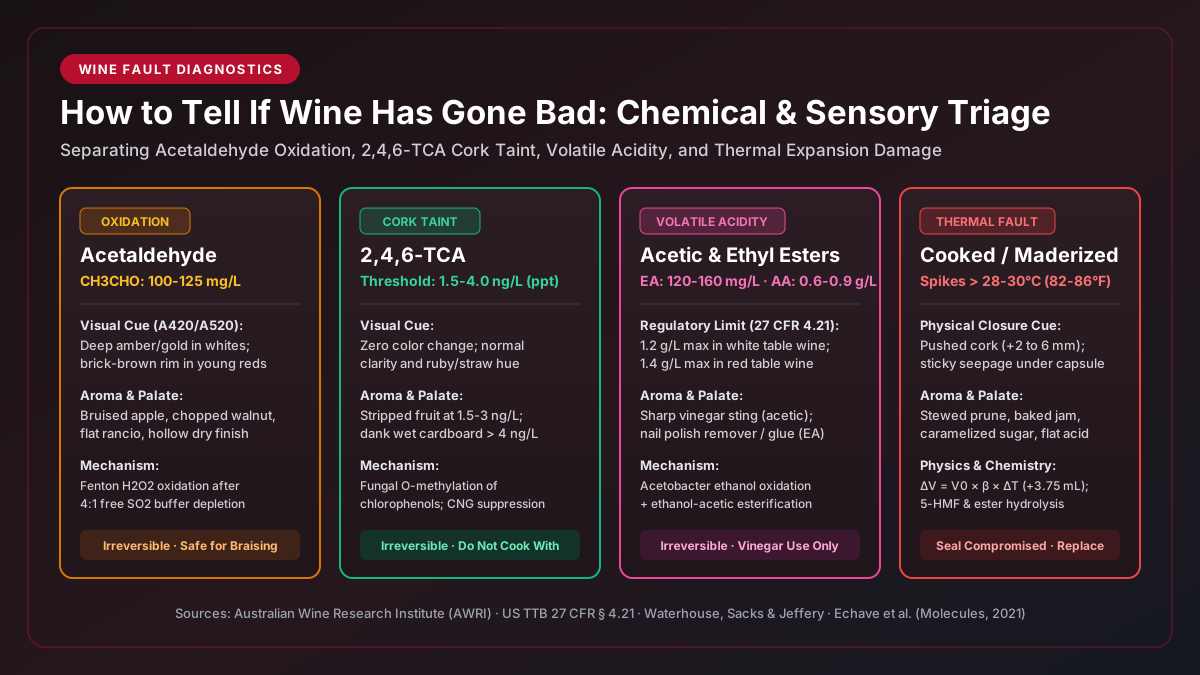
Yes, screw-cap wine can smell corked. Learn how TCA and TBA enter wine via oak barrels, chlorine sanitizers, water, or additives—and how to tell taint from reduction.
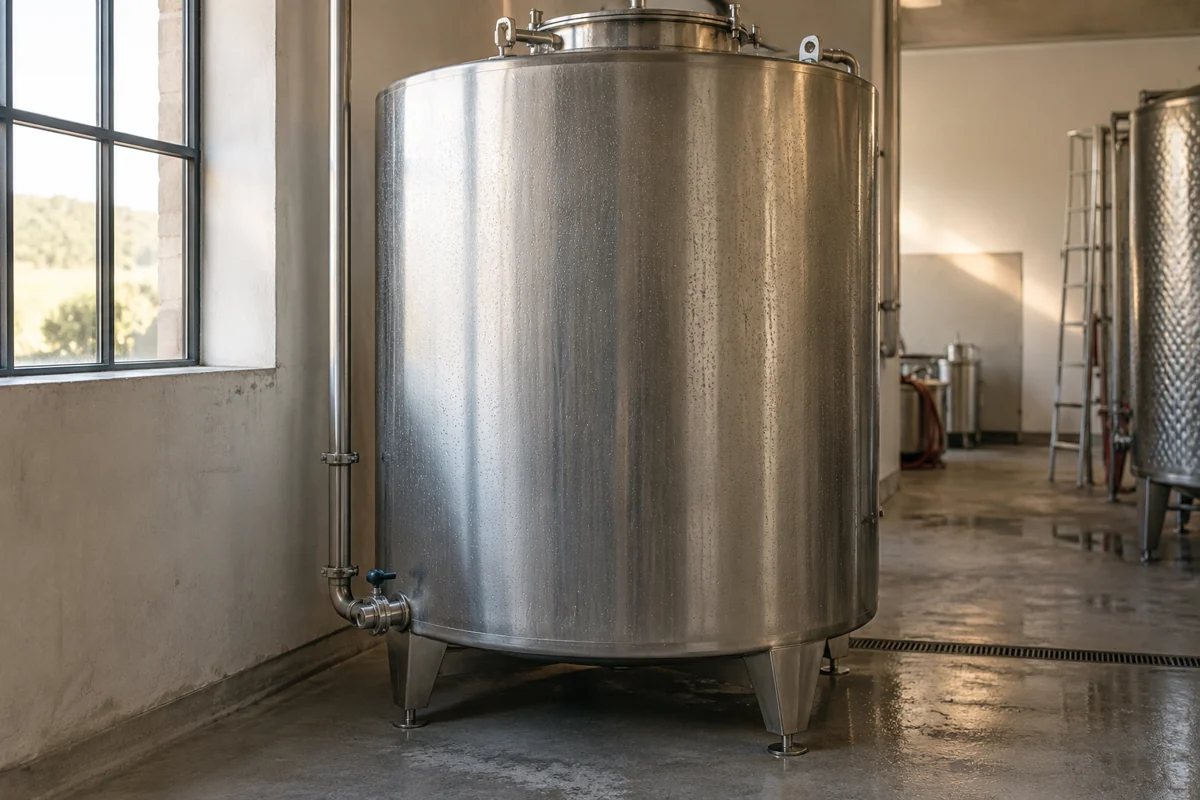
Cold stabilization targets potassium bitartrate crystals before bottling. See the cellar sequence, what a stability test means and which problems need separate checks.
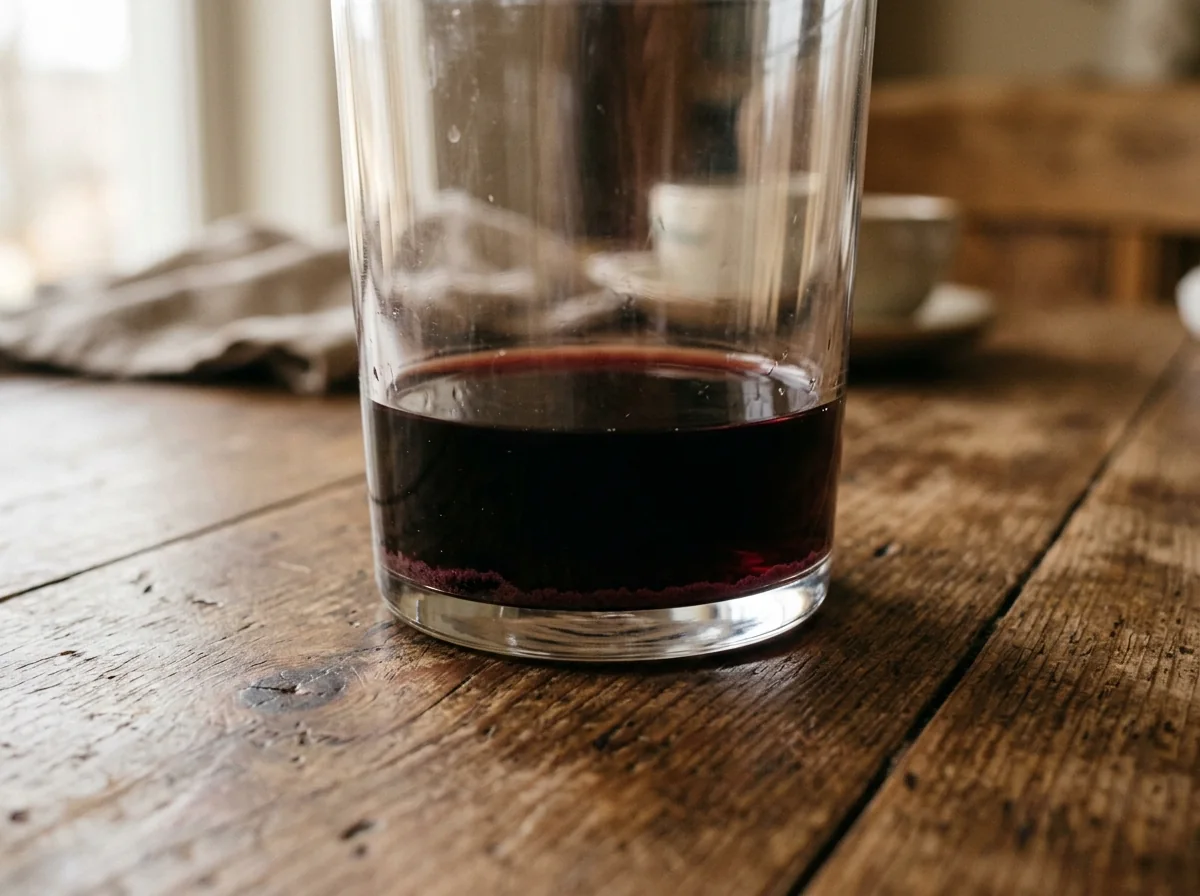
Wine sediment can contain tartrate crystals, pigments, tannins or yeast-containing lees. Compare the groups and the limits of identifying them by appearance.
Estate bottled is a defined US wine-label claim. Single vineyard is not defined in the TTB texts read here. Compare grape source, control and premises.