Bottling and Closures
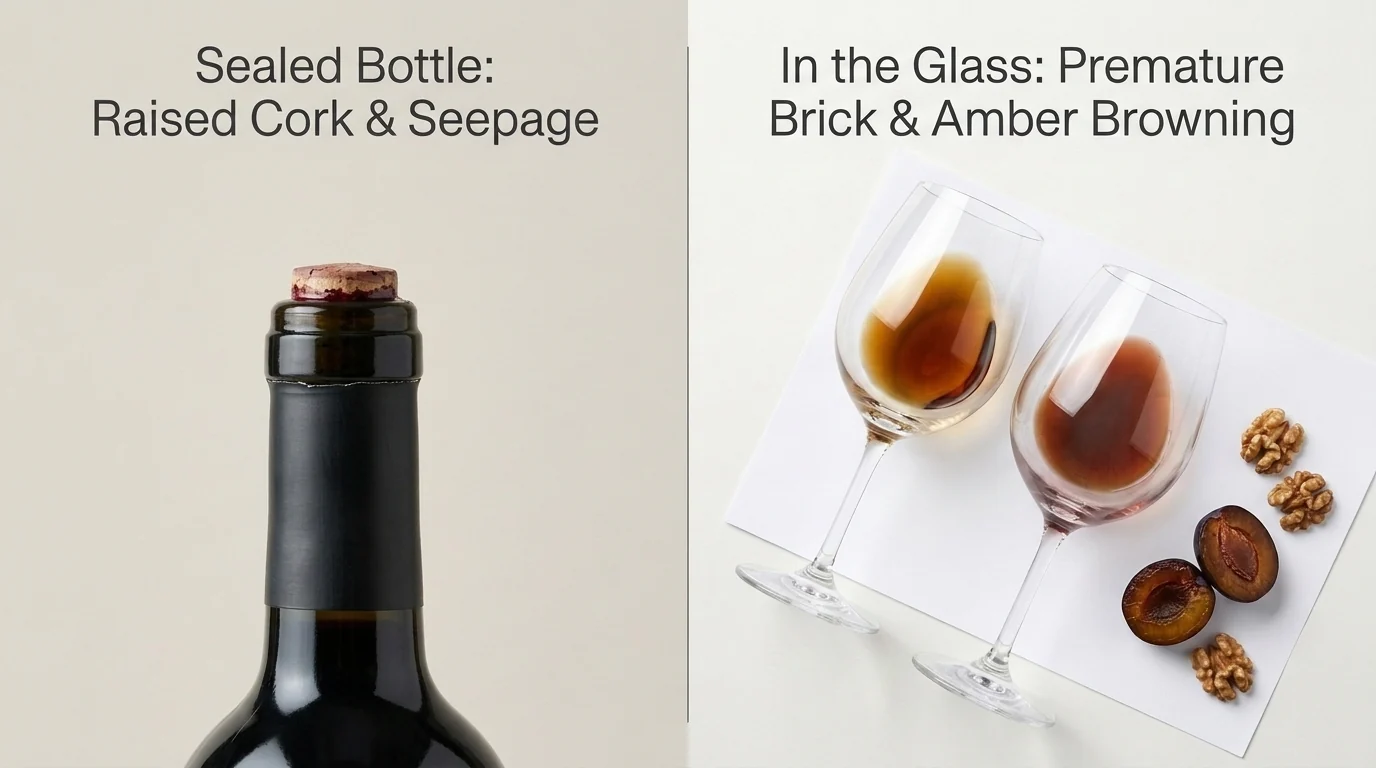
How to Tell If Wine Is Heat Damaged: Cork & Aroma Signs
Heat-damaged wine shows a pushed-out or stained cork and seepage before opening, plus cooked-fruit and walnut aromas with premature browning once poured.
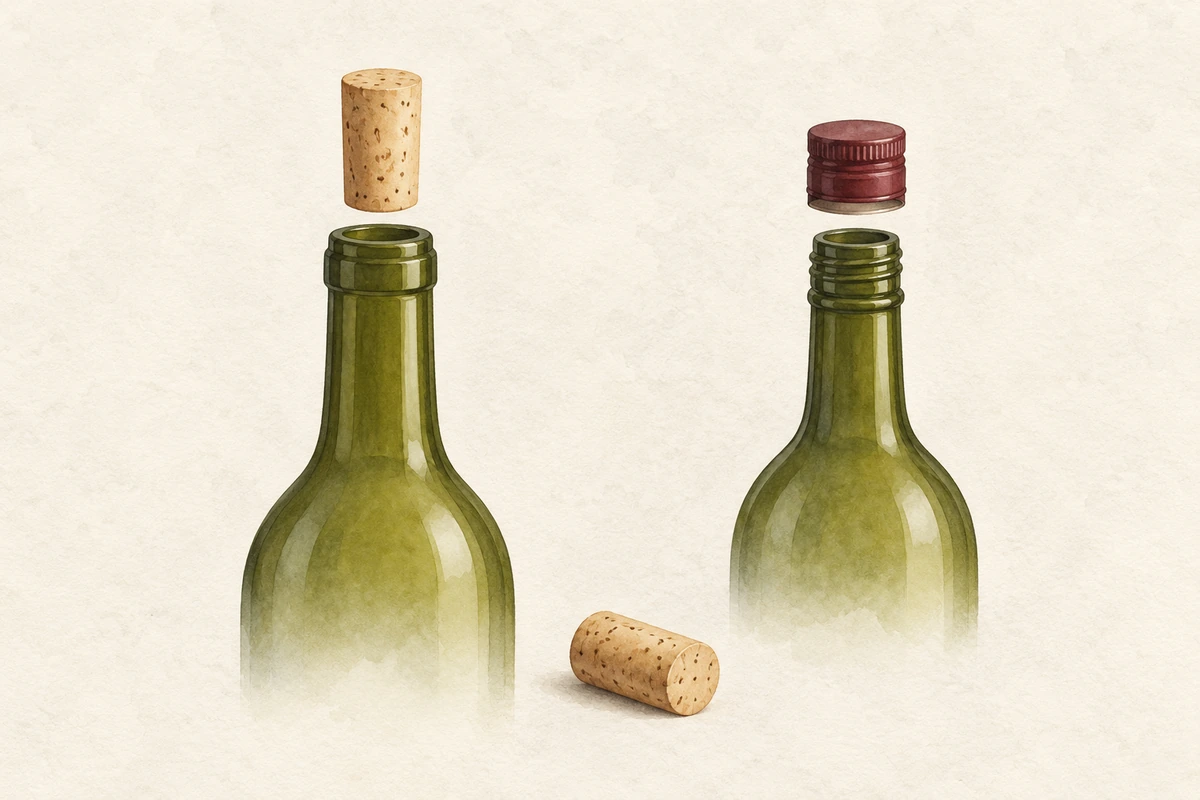
Corks, screw caps and other closures, and how bottles are filled and sealed.
Heat-damaged wine shows a pushed-out or stained cork and seepage before opening, plus cooked-fruit and walnut aromas with premature browning once poured.
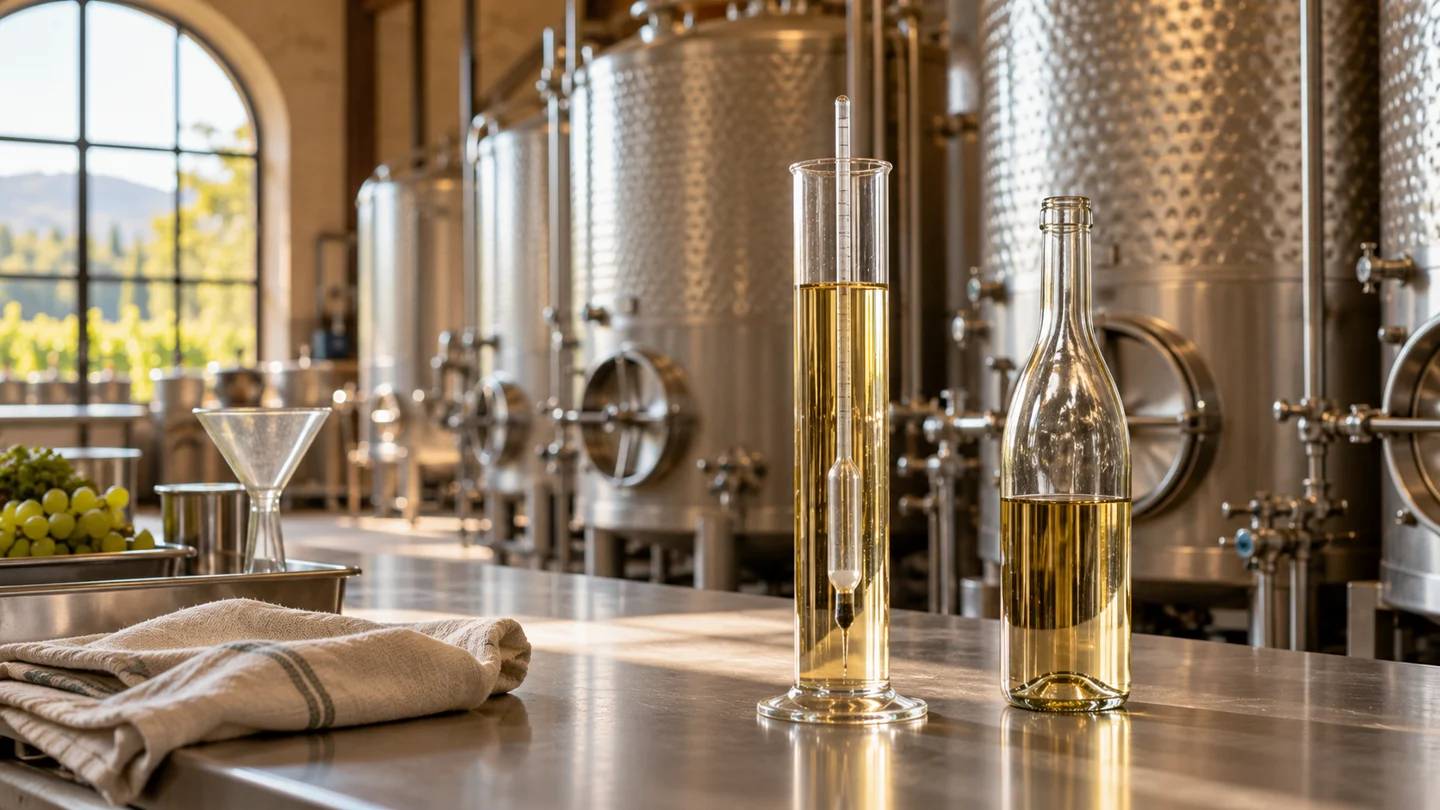
Check wine fermentation before bottling: explore specific gravity, residual sugar tests, malic-acid results and the questions to record for a bottling review.
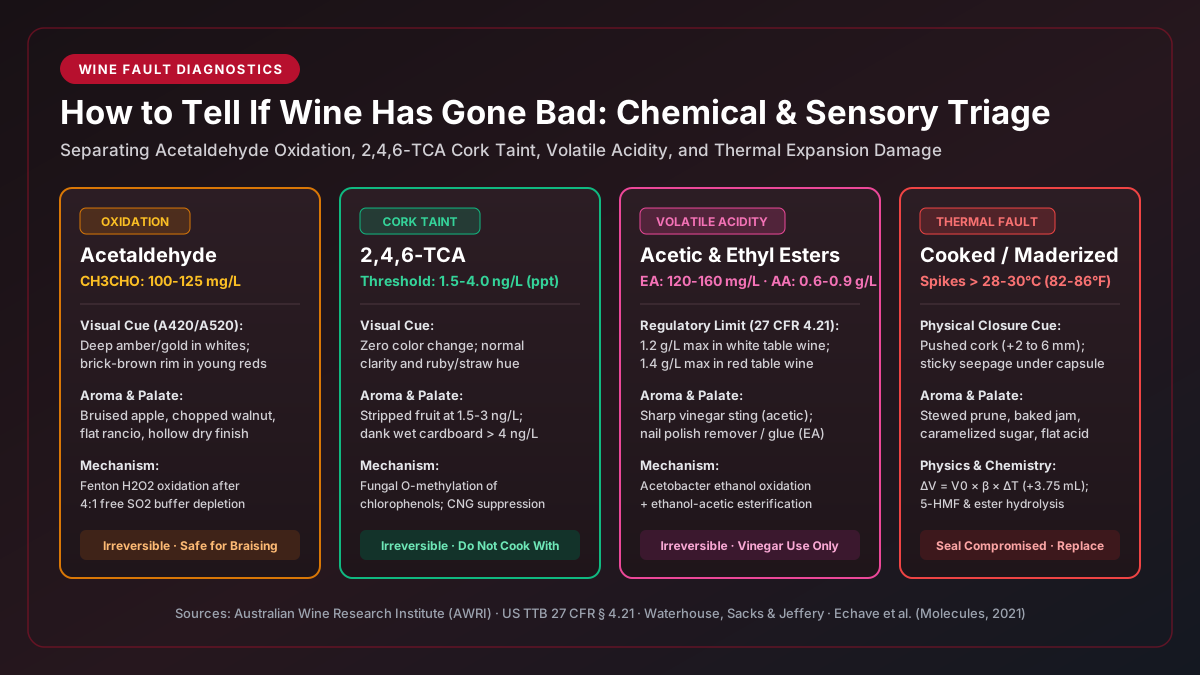
Identify spoiled wine through closure inspection, A420/A520 browning ratios, and chemical aroma thresholds for acetaldehyde, 2,4,6-TCA cork taint, and volatile acidity.
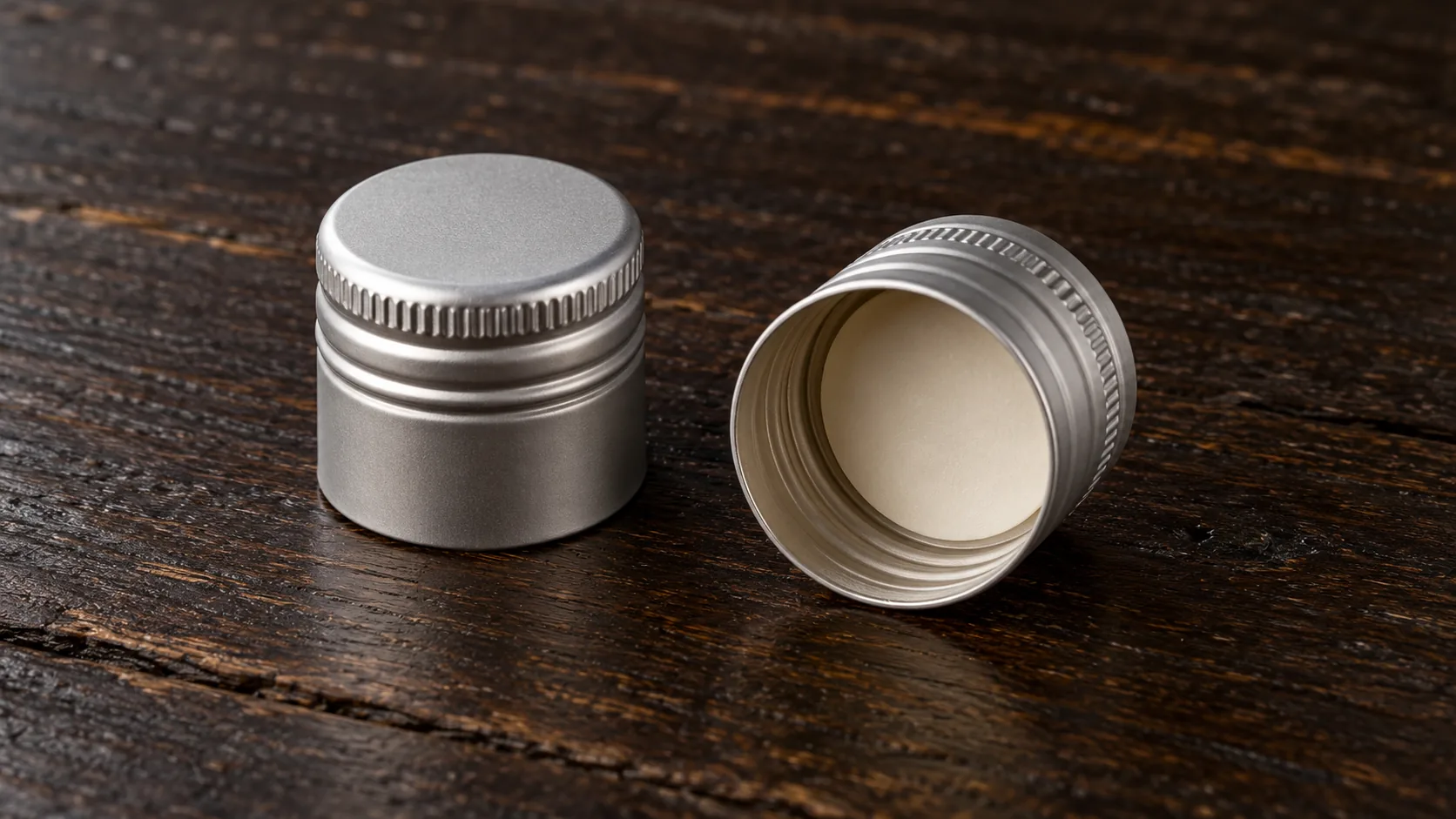
AWRI prints overlapping oxygen ranges for Saran Tin and Saranex. The endpoint ratio of those ranges is 2, so one liner is not ten times the other on every cap.
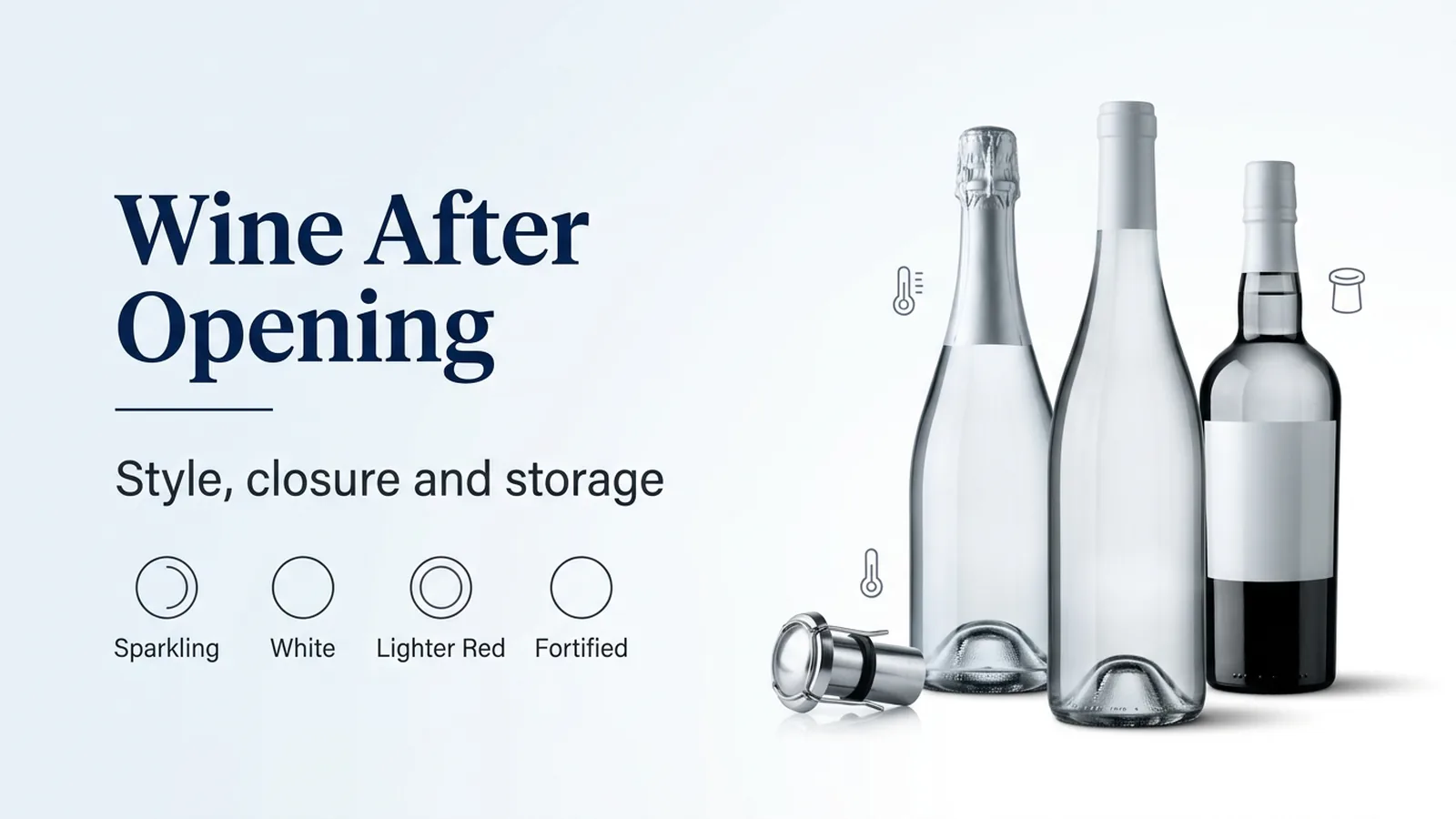
Opened wine lasts up to three days for sparkling, five days for white or rosé, seven days for red, and up to 4 weeks for fortified or bag-in-box wine.
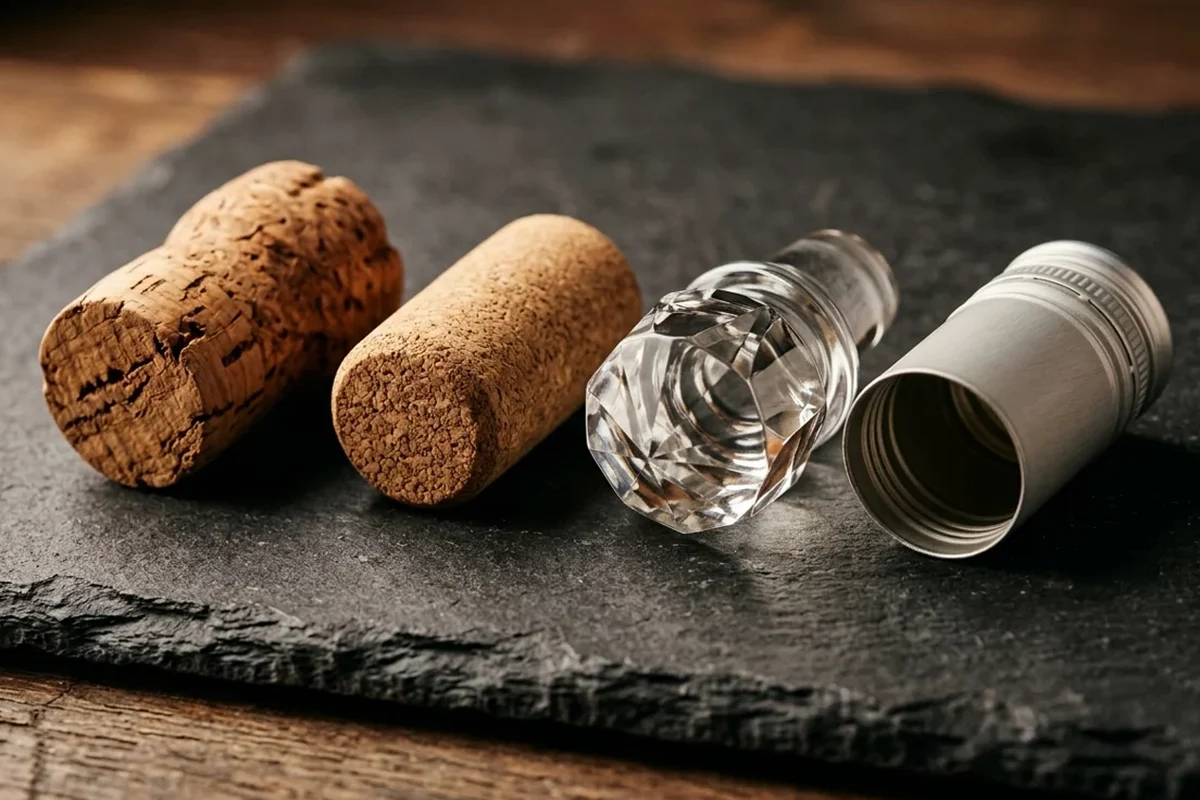
Yes, screw-cap wine can smell corked. Learn how TCA and TBA enter wine via oak barrels, chlorine sanitizers, water, or additives—and how to tell taint from reduction.
Cold stabilization targets potassium bitartrate crystals before bottling. See the cellar sequence, what a stability test means and which problems need separate checks.
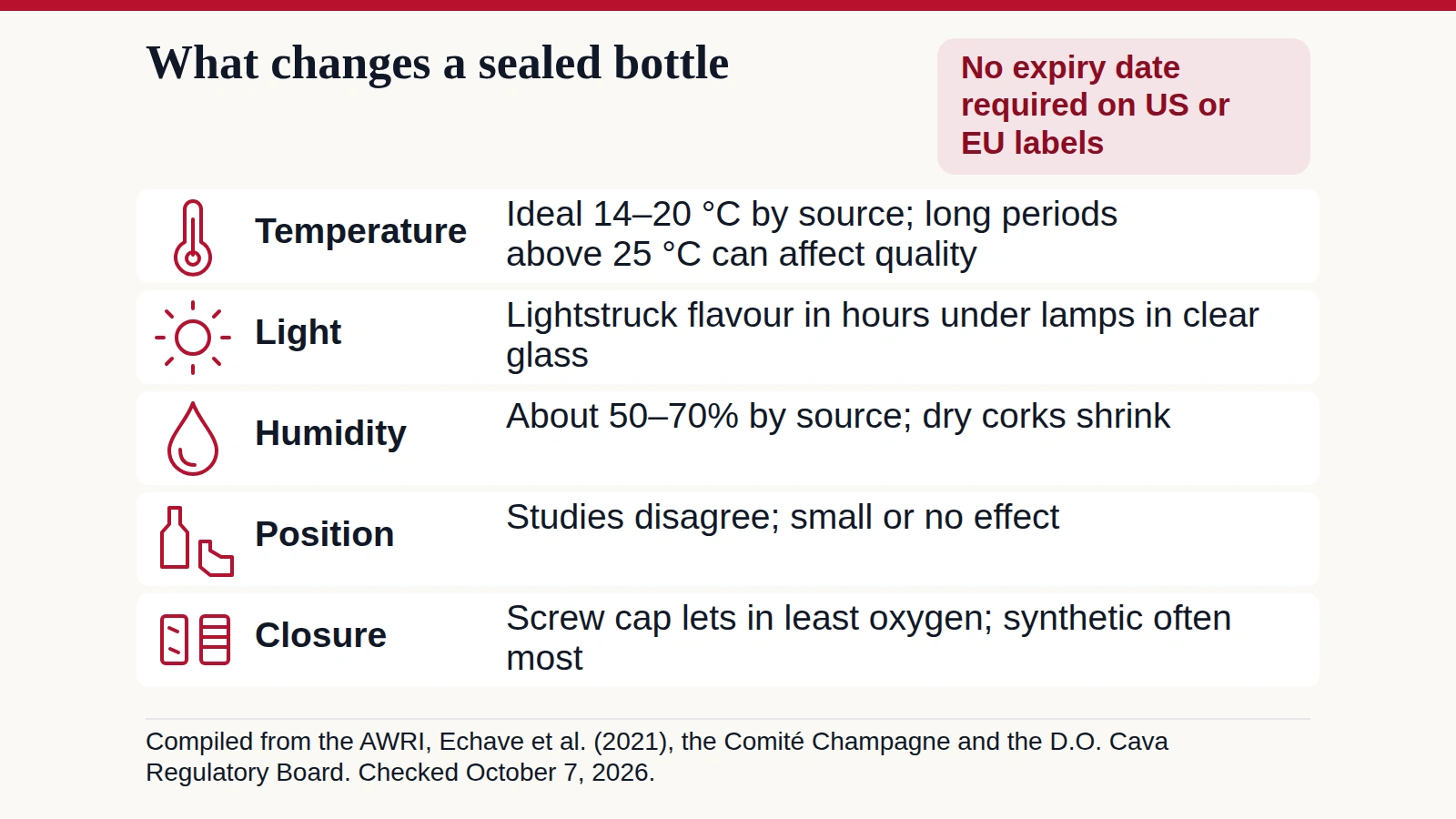
Wine labels carry no required expiry date, but sealed wine still changes. What research says about temperature, light, humidity, position and closures, plus a simple storage record.